

When people talk about Orwell's 1984, they imagine a brutal, visible dictatorship — telescreens, surveillance, and the Thought Police crushing every spark of independent thinking. What most don't realize is that the most effective form of control doesn't look like oppression at all. It looks like freedom. It feels like choice. It hides in plain...

Walk into any fast‑food restaurant, grocery store, or snack aisle, and you'll see it: the red‑and‑yellow combo. Bold. Bright. Familiar. But this isn't just branding — it's neuromarketing. A psychological trap designed to hijack your instincts and push you toward impulsive decisions.

A Crisis Lawmakers Can No Longer Ignore

How a Simple Visual Trick Shapes Our Choices

Why the Meerkat Became the Heart of the Movement

A Radical Act With a Deeper Message

A Protest Against an Engineered Economy

A Protest Against Manufactured Hunger

As the second act of the Nope Haul Revolution, I filled yet another shopping cart in a massive supermarket with more than a hundred different food items — and left it there. Yes, again. Because this madness has to stop.

For decades, the global conversation about obesity has been framed almost entirely around individual responsibility.

Why I Fight: Because I Want to Lose Weight That's why I'm fighting neuromarketing with everything I've got.
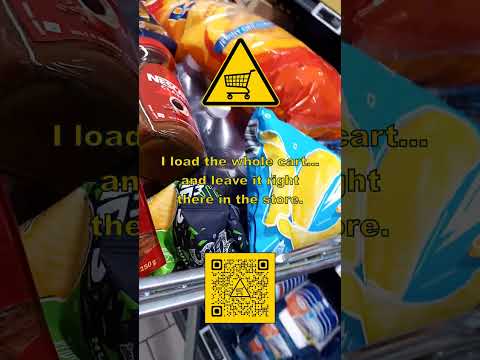
I did it. The eighteenth one, too.

The Snack Trap Nobody Saw Coming

How Small Tiles Manipulate Perceived Speed — and Quietly Rewire Shopper Behavior

A Petition That's Punching Above Its Weight

In the natural world, seduction isn't a luxury — it's a survival strategy. Flowering plants lure pollinators with sweet fragrances, vivid colors, and intricate patterns. Bees, butterflies, and hummingbirds follow these sensory cues, expecting a reward. And they get one: nectar.

The EU has officially registered my petition:

Paradigm Shift: The Heart of the Nope Haul Movement
