
Petitions
I'm a citizen who's standing up to neuromarketing — because someone has to. This fight won't be won with slogans. It will be won by changing the laws that govern food retail. That's why I'm filing petitions to push for real legislative action.
For too long, politicians have repeated the same tired line: "Obesity is an individual failure." It's convenient. It's simple. And it's wrong. The food industry uses neuromarketing to shape behavior on a massive scale — and the public pays the price.
My goal is simple: force policymakers to face reality. Once they do, they'll see what I already know — that taking action against neuromarketing isn't just good policy, it's good politics.

The EU has officially registered my petition:

Subject: Petition to Ban the Use of Flashy, High-Intensity Colors on Food Packaging to Reduce Overconsumption

Petition: Ban Bliss‑Point Engineered Foods to Protect Public Health in the European Union

PETITION: Restricting Neuromarketing to Curb Inflation, Protect Fiscal Discipline, and Safeguard European Citizens

PETITION: Restricting Neuromarketing to Prevent a European Demographic Crisis and Increase Birth Rates

Petition: Restricting Neuromarketing to Protect Sustainable Consumption and Tropical Rainforests

To the Committee on Petitions,

Please support this petition to protect children.

Petition to Restrict Coca‑Cola's Santa Claus Advertising to Protect Children

This is my second petition to the Petitions Committee of the European Union.
First Petition Submitted to the EU Against Neuromarketing Practices

Why I Fight: Because I Want to Lose Weight That's why I'm fighting neuromarketing with everything I've got.
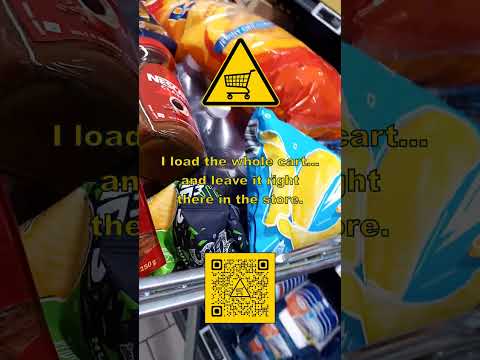
I did it. The eighteenth one, too.

The Snack Trap Nobody Saw Coming

How Small Tiles Manipulate Perceived Speed — and Quietly Rewire Shopper Behavior

A Petition That's Punching Above Its Weight

In the natural world, seduction isn't a luxury — it's a survival strategy. Flowering plants lure pollinators with sweet fragrances, vivid colors, and intricate patterns. Bees, butterflies, and hummingbirds follow these sensory cues, expecting a reward. And they get one: nectar.

The EU has officially registered my petition:
