


PUT THE COOKIE DOWN, CAROL

Carry a Nope Haul Item as Your Shopping Shield
Buy a Nope Haul warning‑image product — a bag, a shirt, or a phone case — and take it with you every time you go grocery shopping. That simple visual reminder helps you break through the neuromarketing tricks supermarkets use to push you into buying more than you need.
Breaking the Spell of Neuromarketing
When you see the Nope Haul warning image, it snaps you out of autopilot. It reminds you to stay focused, buy only what truly matters, and resist the subtle psychological cues designed to increase your spending. Slow music, strategic layouts, oversized carts, impulse‑trap displays — all of it loses power the moment you become aware of it.
Turning Everyday Items Into a Personal Shield
A tote bag on your shoulder, a shirt on your back, or a phone case in your hand becomes a small but powerful tool of resistance. It helps you shop with intention instead of impulse, grounding you in awareness every time you reach for a product.
Choose Awareness, Not Manipulation
NOPE HAUL — "PUT THE COOKIE DOWN, CAROL"
"PUT THE COOKIE DOWN, CAROL" became the gentle mantra she whispered to herself every time she wandered into a store. What once felt like harmless fun — grabbing an extra snack, tossing a cute item into the cart, picking up something "just in case" — slowly revealed its deeper impact. Carol began noticing how easily bright packaging, clever slogans, and perfectly placed displays pushed her toward buying things she didn't actually need.
Seeing the System for What It Is
The more she paid attention, the more she realized that overbuying wasn't just a personal quirk. It was a habit shaped by marketing tricks, emotional triggers, and constant pressure to consume more. At home, the consequences became impossible to ignore. Snacks she bought on impulse expired before she even opened them. Trendy items she thought she "might use someday" ended up forgotten in drawers. Plastic packaging filled her trash bin faster than she could empty it.
Overbuying didn't just clutter her space — it created a steady stream of waste that felt overwhelming. And with every trip to the trash, Carol felt a growing awareness that her small habits were part of a much larger environmental problem.
Understanding the Hidden Costs
She also began to understand the hidden cost behind every unnecessary purchase. Extra food production requires more water, more land, and more fuel. Transporting and packaging items that never get used burns energy and creates pollution. When she threw away uneaten food or unused products, she wasn't just tossing out money — she was discarding the resources that went into making them.
The environmental footprint of overbuying stretched far beyond her kitchen, touching farms, factories, trucks, and landfills.
Reclaiming Her Power
Carol realized that mindful shopping wasn't about depriving herself. It was about taking back control from a system designed to make her feel like she always needed more. So she started slowing down. She made simple lists, avoided the aisles that tempted her most, and paused before grabbing anything that wasn't essential.
"Put the cookie down" became her reminder to shop intentionally — to choose what truly mattered instead of what clever marketing tried to convince her to want.
A Clearer Home, a Clearer Mind
With each thoughtful decision, she felt more grounded. Her home became clearer, her spending more intentional, and her habits more aligned with her values. She discovered that buying less often meant living more — more space, more clarity, more appreciation for what she already had.
And it all started with one small sentence that helped her break the cycle.
The Burger Pusher Paradox
In this surreal and satirical image, a person dressed in a giant hamburger costume struggles to push a shopping cart overflowing with fresh produce — bell peppers, potatoes, and other colorful groceries. The contrast between the oversized burger suit and the cart full of healthy food creates a sharp, memorable metaphor: even when we try to make good choices, the culture of excess can still weigh us down.
When Overbuying Becomes Overeating
The message is direct. Overbuying leads to overeating, and overeating leads to weight gain. When we shop beyond our actual needs, we surround ourselves with constant temptation. The more we haul, the more we consume — often out of habit, stress, or emotional triggers. Even nutritious items can contribute to unhealthy patterns when purchased in excess or used to justify indulgence elsewhere.
Consumption as Identity
The burger costume symbolizes how identity and consumption blur together, turning food into a lifestyle rather than nourishment. It highlights how easily marketing, culture, and habit can shape who we think we are — and how we behave — without us even noticing.
Satire With a Purpose
The image's exaggerated proportions and humorous setting amplify the absurdity, making the message both provocative and unforgettable. It's a playful warning about the hidden costs of abundance and the psychological weight of consumer culture — a reminder that even the healthiest intentions can be overwhelmed by a system built on excess.
The Warrior Meerkats of NOPE HAUL
In this bold and humorous illustration, four upright meerkats stand like ancient guardians, each wearing a feathered helmet and gripping a yellow shield emblazoned with a shopping‑cart icon and the words "NOPE HAUL." Their stance is proud, their gaze determined — these aren't just cute animals, they're the official defenders of the NOPE HAUL movement, a visual rebellion against overconsumption.
Guardians Against Impulse and Excess
The NOPE HAUL shield represents protection from impulse buying, retail manipulation, and the flood of unnecessary purchases that clutter our homes and damage the planet. These warrior meerkats act as symbolic sentinels, reminding us that every "just‑in‑case" item and every "limited‑time" deal comes with hidden costs: wasted money, overflowing landfills, and environmental strain.
Satire Wrapped in Heroic Imagery
The artwork blends parody with epic fantasy, using warm earthy tones and dramatic character design to elevate the message. The exaggerated helmets, the heroic poses, and the glowing shields create a playful yet powerful contrast — a satirical take on consumer culture wrapped in heroic symbolism.
A Call for Conscious Living
The meerkats don't just say "no" to unnecessary shopping — they stand for clarity, sustainability, and intentional living. They embody the spirit of NOPE HAUL: resisting manipulation, choosing awareness, and defending what truly matters.
They Took Our Loved Ones From Us — Hold the Food Industry Accountable

For decades, the global conversation about obesity has been framed almost entirely around individual responsibility.

PETITION: Restricting Neuromarketing to Curb Inflation, Protect Fiscal Discipline, and Safeguard European Citizens

PETITION: Restricting Neuromarketing to Prevent a European Demographic Crisis and Increase Birth Rates

Petition: Restricting Neuromarketing to Protect Sustainable Consumption and Tropical Rainforests

To the Committee on Petitions,
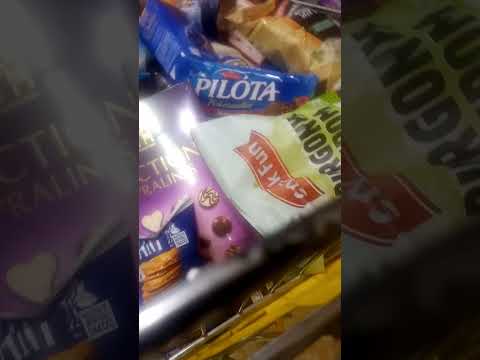
Operation NOPE HAUL: Turning Their Junk Into a Public Protest

Classified Operational Protocol — Declassified for Training Use Only Issued by the Department of Civilian Psychological Counter‑Operations (CPCO) Document Code: NH‑07‑WALKAWAY