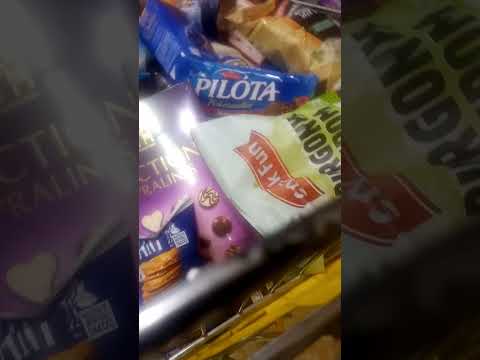
Seduction in Nature: When Attraction Becomes a Trap

🌸 The Sweet Side of Survival
In the natural world, seduction isn't a luxury — it's a survival strategy. Flowering plants lure pollinators with sweet fragrances, vivid colors, and intricate patterns. Bees, butterflies, and hummingbirds follow these sensory cues, expecting a reward. And they get one: nectar.
It's a fair deal.
The pollinator gets food.
The plant gets its pollen delivered to the next bloom.
A clean, honest exchange — nature's version of a handshake.
🪰 When Nature Cheats: Carnivorous Plants
But nature also has a darker sense of humor.
Carnivorous plants use the same seductive tools — scent, color, and visual cues — but with a sinister twist. They promise a feast, then turn the visitor into the feast.
Examples include:
Pitcher plants, whose colorful, nectar-lined rims lead insects into a slippery death trap.
Venus flytraps, which mimic the smell of rotting fruit to attract flies, only to snap shut like a living bear trap.
Sundews, which glisten like morning dew but glue insects in place with sticky tentacles.
The strategy is elegant and cruel: "Come closer, little insect — dinner is served. You are dinner."
🍎 The Honest Seduction of Fruit
Reproduction uses similar tactics. Plants advertise ripe fruit with bold, saturated colors — reds, purples, oranges — specifically evolved to catch the eye of fruit‑eating animals, including humans.
Again, the deal is fair:
We get calories, vitamins, hydration.
The plant gets its seeds carried far away.
This is mutualism at its best. No deception. No trap. Just evolutionary cooperation.
🛒 How Modern Food Marketing Hijacks Ancient Instincts
Then came the modern world — and our ancient instincts met their match.
Today's food industry uses the same visual tricks as nature, but without the honesty. Bright packaging mimics the color cues of ripe fruit:
Neon orange chip bags echo the color of ripe citrus.
Candy wrappers use berry tones to signal sweetness and energy.
Sugary cereals glow with tropical colors that never existed in nature.
These designs activate the same foraging reflexes that once helped us survive. But now they're used to sell products engineered for overconsumption.
⚠️ The Trap: When Packaging Becomes a Predator
In this sense, modern packaging deceives us just as carnivorous plants deceive insects.
The outside promises nourishment. The inside often delivers:
empty calories
refined sugars
ultra‑processed fats
addictive flavor formulas
It's the human equivalent of a fly landing on a pitcher plant: The colors say "food," but the outcome says "gotcha."
🪤 Examples of Modern "Food Traps"
Energy drinks with electric colors that mimic tropical fruit but contain mostly caffeine and sugar.
Snack bars wrapped in earthy greens and browns to suggest "natural," despite being closer to candy.
Children's cereals using rainbow palettes to trigger excitement and reward-seeking behavior.
Fast‑food ads that saturate colors to make fries look fresher and burgers look juicier than reality.
These cues bypass rational thought and hit the brainstem — the ancient part of us that once scanned forests for berries.
🪰 We Become the Insect
When we fall for these cues, we're not weak — we're human. Our brains evolved for a world of scarcity, not a supermarket aisle engineered by behavioral scientists.
But the result is the same pattern seen in nature:
The lure is visual.
The promise is nourishment.
The reality is harm.
Just like the fly that slips into the pitcher plant, we walk into the trap with confidence — and only later realize the cost.
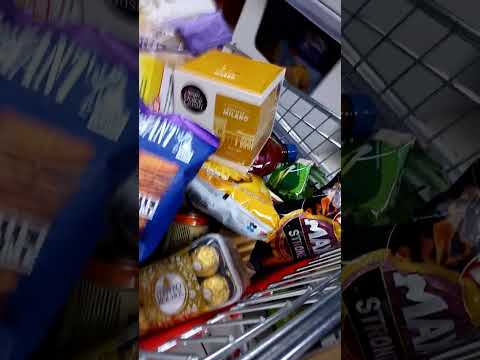
Finishing the 13th NOPE HAUL Challenge
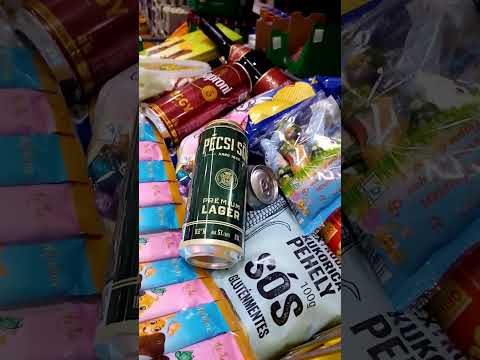
My 12th NOPE HAUL: The Moment the Spell Breaks
A chance encounter that sparked inspiring thoughts.
I've officially completed the NOPE HAUL challenge for the 10th time.

I left a fully loaded shopping cart in a store for the ninth time.
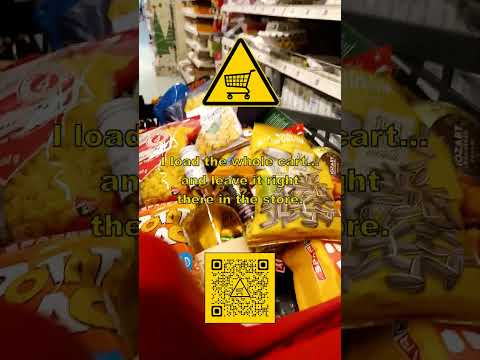
I carried out my personal guerrilla action — the NOPE HAUL challenge — for the eighth time.

The NOPE HAUL challenge has been completed for the seventh time.
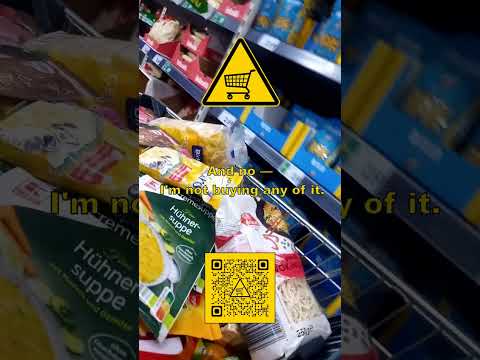
My sixth successful guerrilla action.
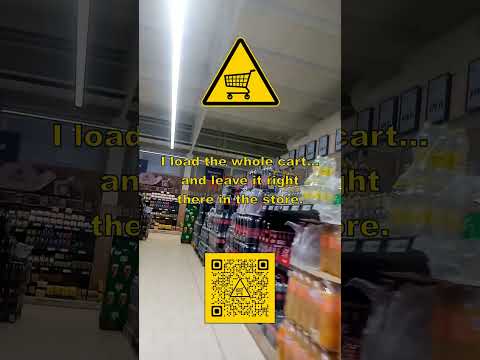
I carried out the NOPE HAUL challenge for the fifth time.

The fourth time an overflowing shopping cart was left in the middle of the store—and a new kind of courage took shape.

My third successful NOPE HAUL action.

Successfully completed the NOPE HAUL challenge for the second time.